




Many older homes can use a heat pump, but they usually need more preparation than newer ones. The main challenges are heat loss through solid walls, old windows and draughts, and radiators that are too small to heat rooms at the lower water temperatures a heat pump prefers. With the right design, and often some insulation and radiator upgrades, heat pumps can work well in older properties.
The only reliable way to know is a proper heat loss survey of your home. Our renewables page explains how we assess properties.
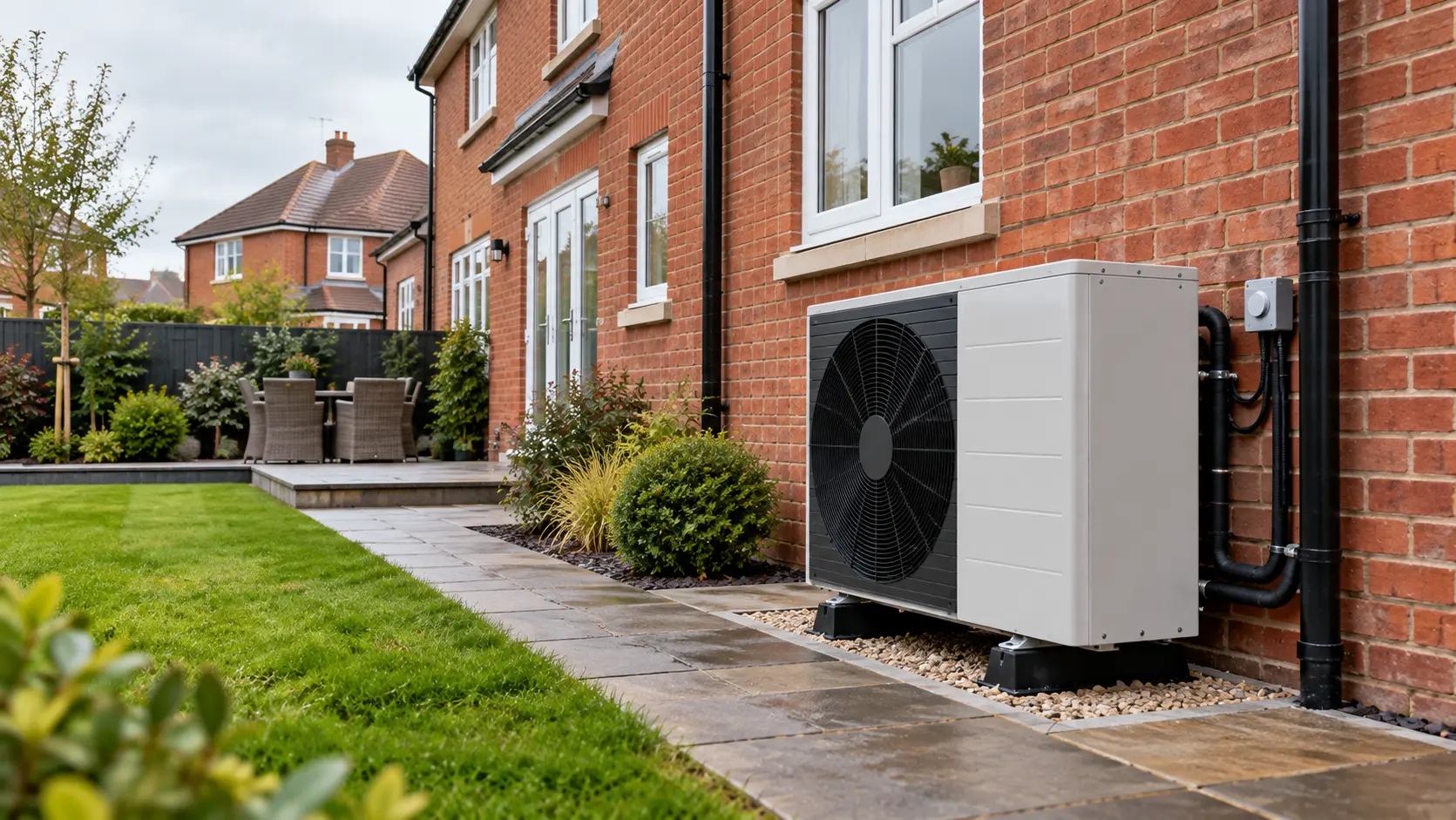
Why older homes need more thought
| Challenge | Why it matters | What helps |
| Solid walls | Lose more heat than cavity walls | Internal or external wall insulation where practical |
| Single glazing or old windows | Heat loss and draughts | Secondary glazing or replacement windows |
| Draughts | Warm air escapes | Draught-proofing doors, floors and chimneys |
| Small radiators | Can’t deliver enough heat at lower temperatures | Upsizing radiators in key rooms |
| No airing cupboard | Nowhere for a cylinder | Finding space, or compact cylinders |
What the survey should cover
A proper survey of an older home should include:
- A room-by-room heat loss calculation, not a rule of thumb
- Radiator sizes compared with each room’s heat requirement
- A look at insulation, windows and draught-proofing
- Hot water needs and cylinder position
- Outdoor unit location, including listed building or conservation area considerations
- The electrical supply
Upgrades that make the biggest difference
- Loft insulation, usually the cheapest and most effective first step
- Draught-proofing, often inexpensive and noticeable straight away
- Upsizing some radiators, particularly in rooms with the most heat loss
- Improving windows, where budget allows
Not every home needs all of these. The survey shows where the gains are.
When a boiler may still make more sense
- The home needs extensive work before a heat pump could perform well
- It’s a listed building where the outdoor unit or insulation work is restricted
- Budget won’t cover the heat pump plus necessary upgrades right now
- The current boiler has failed and you need heat quickly
In those cases, a modern condensing boiler with good controls is still a sensible option, and a heat pump can be planned for later. See our new boiler installations page.
Older homes around Lincoln
Lincoln has a wide range of older housing, from Victorian terraces near the city centre and uphill areas to older village properties around Washingborough and Bracebridge Heath. Some are solid-walled, some in conservation areas. Each needs its own assessment, but many can be made suitable with the right approach.
Grants
The Boiler Upgrade Scheme in England and Wales has offered grants towards heat pumps, installed by MCS-certified installers. Check the current amount and eligibility on GOV.UK. Separate schemes may help with insulation, depending on eligibility.
Frequently asked questions
Do I have to insulate my walls before getting a heat pump?
Not always. It depends on the heat loss calculation. Loft insulation and draught-proofing are often more practical first steps than wall insulation.
Can a heat pump work with old cast iron radiators?
Cast iron radiators can hold and give off heat well, but their output at lower temperatures still needs checking against each room’s heat loss.
Will a heat pump be noisy in a terraced street?
Modern units are designed to be quiet, but positioning matters. The survey should consider neighbours and permitted development rules.
Find out if your home could suit a heat pump
Live in an older home and curious about a heat pump? Give us a ring on 07717 224 048 or send us a message and we’ll talk it through with you.