




If you’re looking into air conditioning installation, one of the first questions that comes up is simple: what size do I actually need? It sounds straightforward, but it’s where plenty of people go wrong.
Go too small and the unit will run constantly without properly cooling the room. Go too big and it’ll cool the air too quickly without properly removing humidity, which can leave the space feeling clammy. I’ve seen both situations plenty of times in homes around Lincoln, usually after someone has bought a system based purely on a quick online calculator.
Getting the size right isn’t about guesswork. It’s about understanding the room, the building and how you actually use the space.
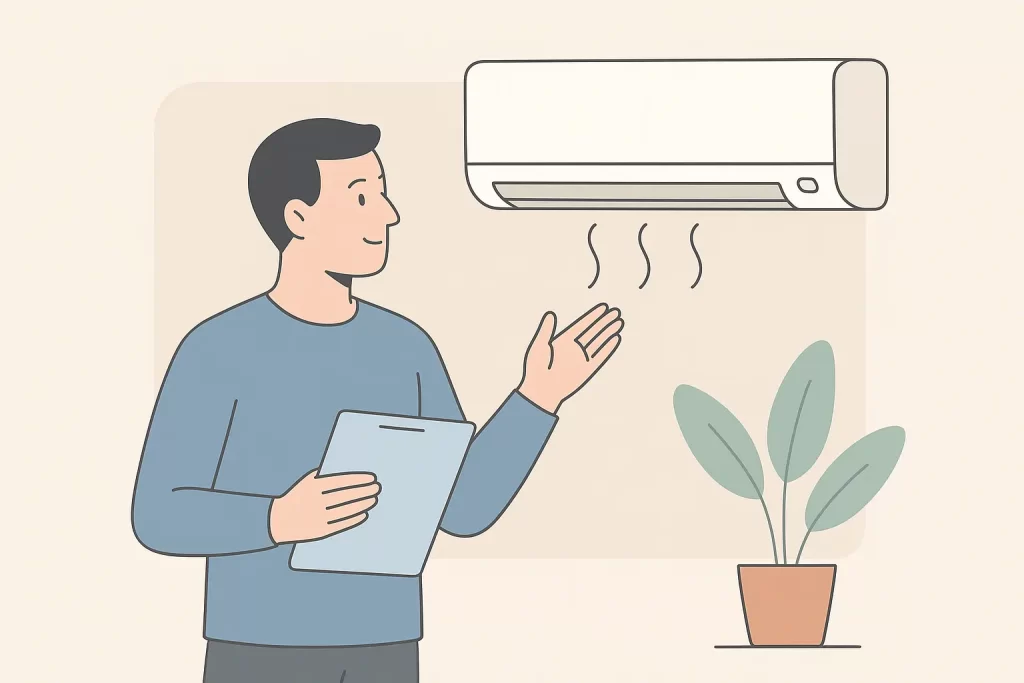
Why Choosing the Right AC Size Matters
An air conditioner’s “size” isn’t about physical dimensions. It refers to its cooling capacity, normally measured in BTUs or kilowatts.
If the system is undersized, it will:
- Run constantly on hot days
- Struggle to reach the temperature you’ve set
- Wear out faster
- Push up your electricity bills
If it’s oversized, it can:
- Switch on and off frequently
- Cool the air too quickly without dehumidifying properly
- Feel draughty or uneven
- Cost more than necessary upfront
In short, right-sizing improves comfort, efficiency and long-term reliability.
How Air Conditioner Sizing Works (BTUs Explained)
BTU stands for British Thermal Unit. In simple terms, it measures how much heat an air conditioner can remove from a room per hour.
In the UK we often work in kilowatts as well. For context:
- A small bedroom might need around 2 to 2.5 kW
- A typical living room might need 3.5 to 5 kW
- Larger open-plan areas can need significantly more
But square metre calculations only tell part of the story. I’ve been in two houses on the same street in North Hykeham with identical lounge sizes, yet one needed a larger system because it had bi-fold doors facing south with no shade at all.
That’s why proper assessment matters.
Key Factors That Affect the Size You Need
When I visit properties in Washingborough or central Lincoln, I look at far more than just floor area.
Room Size and Ceiling Height
Bigger rooms need more cooling power, but ceiling height makes a difference too. A Victorian terrace with high ceilings holds more warm air than a modern new-build with standard 2.4m ceilings.
Insulation and Building Fabric
Modern insulation, cavity walls and decent loft insulation help keep heat out in summer. Older properties can absorb and retain more heat through brickwork and roofing.
Windows and Sunlight
Large south or west-facing windows can dramatically increase heat gain. I often ask customers what the room feels like at 6pm on a sunny day. If the answer is “like a greenhouse”, that tells me plenty.
Room Use and Occupancy
A spare bedroom used occasionally needs less cooling than a home office with two monitors and someone working in it all day. Every person and electrical appliance adds heat.
Open Plan vs Closed Rooms
Open-plan kitchen diners are common now and they’re harder to size correctly. Cooking appliances, extractor fans and large glass doors all influence the figures.
Quick Guide: Estimating the Right AC Size for Your Home
If you want a rough starting point before speaking to an installer, you can do a simple estimate.
A very basic rule of thumb is around 100 to 150 watts per square metre for a typical UK home.
So:
- 20m² room × 150 watts = 3,000 watts or 3 kW
But treat that as a ballpark only. If the room has large glazing, poor insulation or heavy usage, the required capacity can increase quickly.
This is where local knowledge helps. Homes in newer estates in North Hykeham behave very differently from older cottages in Washingborough when the temperature climbs above 25 degrees.
If you’re in Lincolnshire, you can see more about systems suited to your location here:
Common Mistakes to Avoid When Choosing an AC Unit
Over the years I’ve noticed a few patterns.
Buying Based on Price Alone
A cheaper, smaller unit can look appealing online, but if it runs flat out every summer it won’t feel like a bargain for long.
Assuming Bigger Is Better
This is probably the most common mistake. Bigger units cost more to buy and install and can create uneven temperatures if they’re oversized.
Not Considering Noise
For bedrooms especially, correct sizing helps avoid unnecessary fan speed and noise at night.
Ignoring Professional Heat Calculations
A proper installer won’t just glance at a room and guess. They’ll measure, assess and factor in orientation, insulation and usage.
When to Speak to a Professional Installer
If you’re serious about installing air conditioning, it’s worth having a proper site visit. A good installer will talk through how you use the space, check the electrics and explain your options clearly.
That doesn’t mean committing to anything on the spot. It just means making sure the system you choose is properly matched to your home.
As someone who’s worked in properties across Lincolnshire for years, I can say most customers simply want straight answers and a system that works quietly and efficiently when that next hot spell arrives. That’s exactly how Matt Harland approaches each job.
If you’d like tailored advice for your home, contact our team today and we’ll happily talk it through with you.
Choosing the right size air conditioner isn’t complicated once you understand the basics. Get the assessment right, and you’ll enjoy comfortable summers without the stress of an overworked or underperforming system.