




When the evenings draw in and the heating goes back on, it’s tempting to turn the thermostat up and hope for the best. A little time with your controls works better. Set the timer around when you’re actually home, pick a steady thermostat temperature, use radiator valves to fine-tune each room and check the boiler’s heating temperature. If your controls are old or confusing, we can upgrade them as part of a new boiler installation in Lincoln.
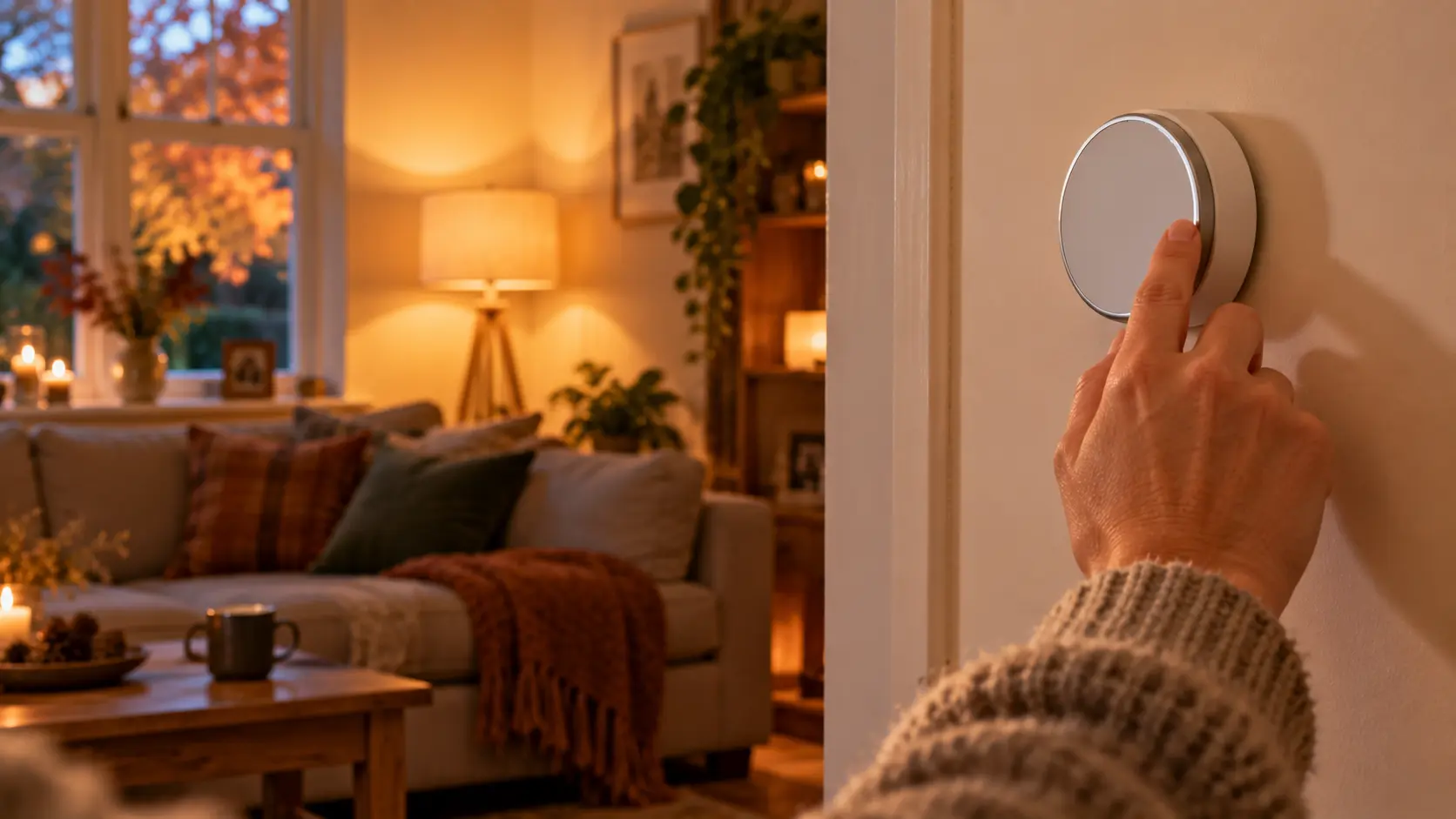
Know what each control does
Most homes have some combination of these:
- Timer or programmer: decides when the heating is allowed to come on
- Room thermostat: decides how warm the house gets before the boiler stops heating
- Thermostatic radiator valves (TRVs): the numbered heads on radiators that control each room
- Boiler heating dial: sets how hot the water going to the radiators is
They work together. Turning the thermostat right up won’t heat the house any faster. It just keeps the boiler running for longer once you get there.
Setting the timer
Start with your daily routine. Set the heating to come on a little before you get up and before you get home, and to switch off shortly before bed or before you leave. Older houses with solid walls may need a longer warm-up than newer homes, so give it a few days and adjust.
If your weekdays and weekends differ, use separate schedules if your programmer allows it. Many older mechanical timers don’t, which is one reason people upgrade.
Choosing a thermostat temperature
Pick a temperature that’s comfortable and leave it there rather than turning it up and down. Many people find somewhere around 18 to 21°C comfortable, but it’s personal and depends on who’s at home. Older people, babies and anyone unwell may need it warmer.
The room thermostat should be in a room you use a lot, away from radiators, draughts, direct sunlight and other heat sources like the cooker. If it’s in a cold hallway, the rest of the house may get hotter than you’d like.
Using radiator valves room by room
TRVs let you keep bedrooms or spare rooms cooler than living areas. Set them to a middle number to start with, then turn down rooms you don’t need as warm. Avoid turning every TRV right down in the room with the main thermostat, or the boiler may run without ever reaching the target.
Before winter, turn each TRV from minimum to maximum a few times. Valve pins can stick after a summer of not moving.
The boiler’s heating temperature
Condensing boilers run most efficiently when the water coming back from the radiators is cool enough for them to condense. Many are left on a high heating setting out of habit. Your boiler manual or engineer can advise on the right setting for your home and radiators. Don’t change anything inside the boiler, and leave hot water settings on a combi as the manufacturer recommends.
Is it time to upgrade your controls?
Upgrades to think about include:
- A programmable room thermostat in place of a separate timer and dial
- A smart thermostat you can adjust from your phone
- Weather or load compensation, which adjusts boiler temperature to suit conditions
- New TRVs where the old ones are stuck or missing
Controls can be checked during your annual boiler service.
Winter heating in Lincoln homes
From Victorian terraces near the city to newer estates in North Hykeham and Bracebridge Heath, heating needs vary a lot. A draughty older house might need longer heating periods than a well-insulated new build, so treat these settings as a starting point and adjust.
Frequently asked questions
Is it cheaper to leave the heating on low all day?
For most homes, using a timer so the heating runs when you need it is more efficient than leaving it on constantly. Homes with heat pumps or very good insulation can be different. The best approach depends on your house, your system and how you use it, so an engineer can advise for your property.
Where should my room thermostat be?
In a room you use regularly, around shoulder height on an inside wall, away from radiators, sunlight, draughts and cooking. A thermostat in a cold hallway or a sunny spot gives a misleading reading, so the rest of the house ends up too hot or too cold. Moving it is a job for an engineer.
Do I need a smart thermostat?
Not necessarily. A well-set programmable thermostat does the main job. Smart thermostats add phone control, easier scheduling and, on some models, features that learn your routine. They suit people with changing routines. Check compatibility with your boiler before buying, as some features need specific boilers to work fully.
Want better control of your heating?
If your controls are old, confusing or not keeping the house comfortable, give us a call on 07717 224 048 or drop us a message and we’ll talk you through the options for your system.